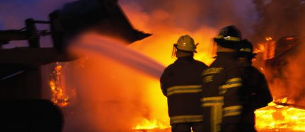
High-risk operations refer to activities where the potential for fire is elevated due to the presence of flammable materials, hot work (such as welding or cutting), or complex industrial processes. These operations can occur in construction sites, manufacturing plants, chemical facilities, and large-scale event setups. The nature of these tasks increases the likelihood of fire hazards, making active fire monitoring essential.
What Role Do Fire Watch Guards Play?
Fire Watch Guards are trained personnel tasked with monitoring high-risk areas for potential fire threats. Unlike passive fire safety measures, such as alarms or sprinklers, these guards provide a proactive approach. They continuously observe operations, identify hazards in real-time, and respond immediately to prevent incidents from escalating.
Why Are Fire Watch Guards Critical During High-Risk Operations?
Statistics show that most industrial fires occur during operations involving heat, sparks, or combustible materials. Fire watch guards reduce the risk of incidents by maintaining vigilance where automated systems alone may not suffice. Their presence ensures immediate action if sparks ignite or hazardous conditions develop, potentially saving lives, reducing property damage, and preventing operational disruptions.
How Do Fire Watch Guards Monitor Risks?
Guards conduct thorough inspections before, during, and after high-risk operations. They check for unsafe storage of flammable materials, inspect equipment for malfunction or overheating, and monitor ongoing activities for fire ignition points. Many fire watch guards are also equipped with portable fire extinguishers or suppression tools to respond instantly if a fire starts. Logs of patrol activities are maintained, creating a documented trail of safety checks and responses.
What Are the Key Responsibilities of Fire Watch Guards?
The responsibilities of fire watch personnel in high-risk operations include:
Observing high-risk areas and monitoring heat-generating tasks.
Ensuring fire safety equipment is accessible and functional.
Alerting teams immediately upon detecting a fire hazard.
Acting as a first responder to contain small fires before they escalate.
Documenting any safety concerns or incidents for future risk mitigation.
How Do Fire Watch Guards Benefit Businesses?
Employing fire watch guards during high-risk operations offers tangible advantages. Data from industrial safety studies indicate that sites with active fire watch monitoring experience significantly fewer fire incidents. This leads to lower property loss, reduced operational downtime, and improved overall safety culture. Businesses also gain assurance that critical operations are being actively monitored, which can boost employee confidence and operational efficiency.
Are Fire Watch Guards Necessary for All High-Risk Situations?
While not every operation requires dedicated fire watch personnel, they are essential when activities involve significant fire hazards. Operations such as welding, cutting, chemical handling, or large-scale electrical work carry inherent risks that automated systems may not fully mitigate. Fire watch guards act as a human layer of vigilance, capable of immediate judgment and action.
How Can Companies Maximize the Effectiveness of Fire Watch Guards?
To ensure maximum effectiveness, companies should deploy trained and experienced personnel, provide appropriate fire suppression equipment, and maintain a clear schedule of patrols during high-risk activities. Coordination between fire watch guards and operational teams ensures hazards are addressed promptly, and risk assessment records are reviewed regularly to improve safety practices.
Conclusion
Fire watch guards are a critical component of safety during high-risk operations. Their proactive monitoring, immediate response capabilities, and vigilant oversight significantly reduce the potential for fires, protecting lives, property, and business continuity. Integrating fire watch personnel into high-risk operations ensures a safer and more secure work environment.